
Our Approach to
Art Therapy
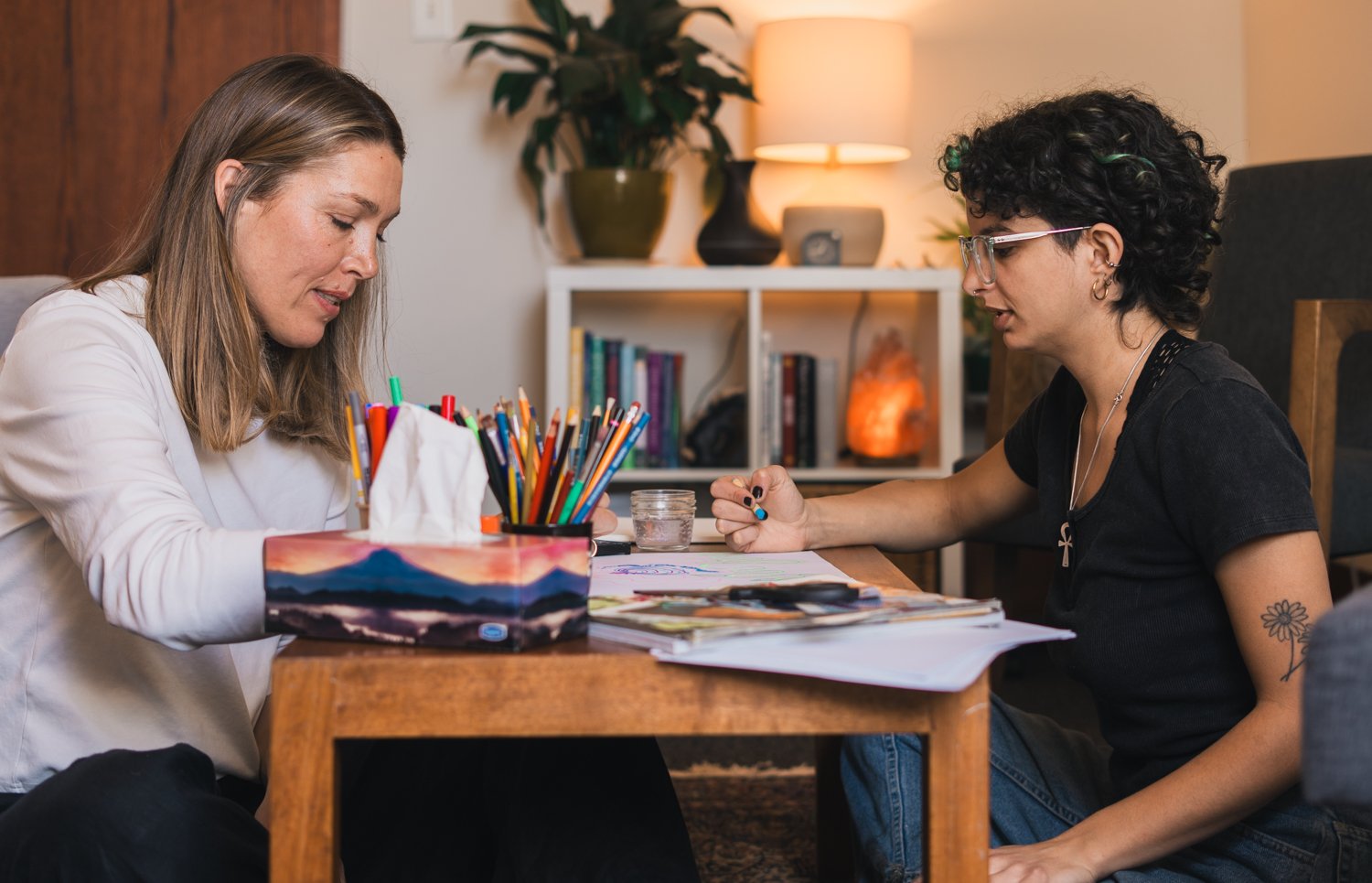
Sometimes the words aren't there. Art therapy creates space for what you can't yet say through drawing, writing, sound, movement, or any creative medium that feels right for you. No artistic experience is required, and you don't need to be "good at art." The focus isn't on creating something perfect—it's on expression, exploration, and healing.
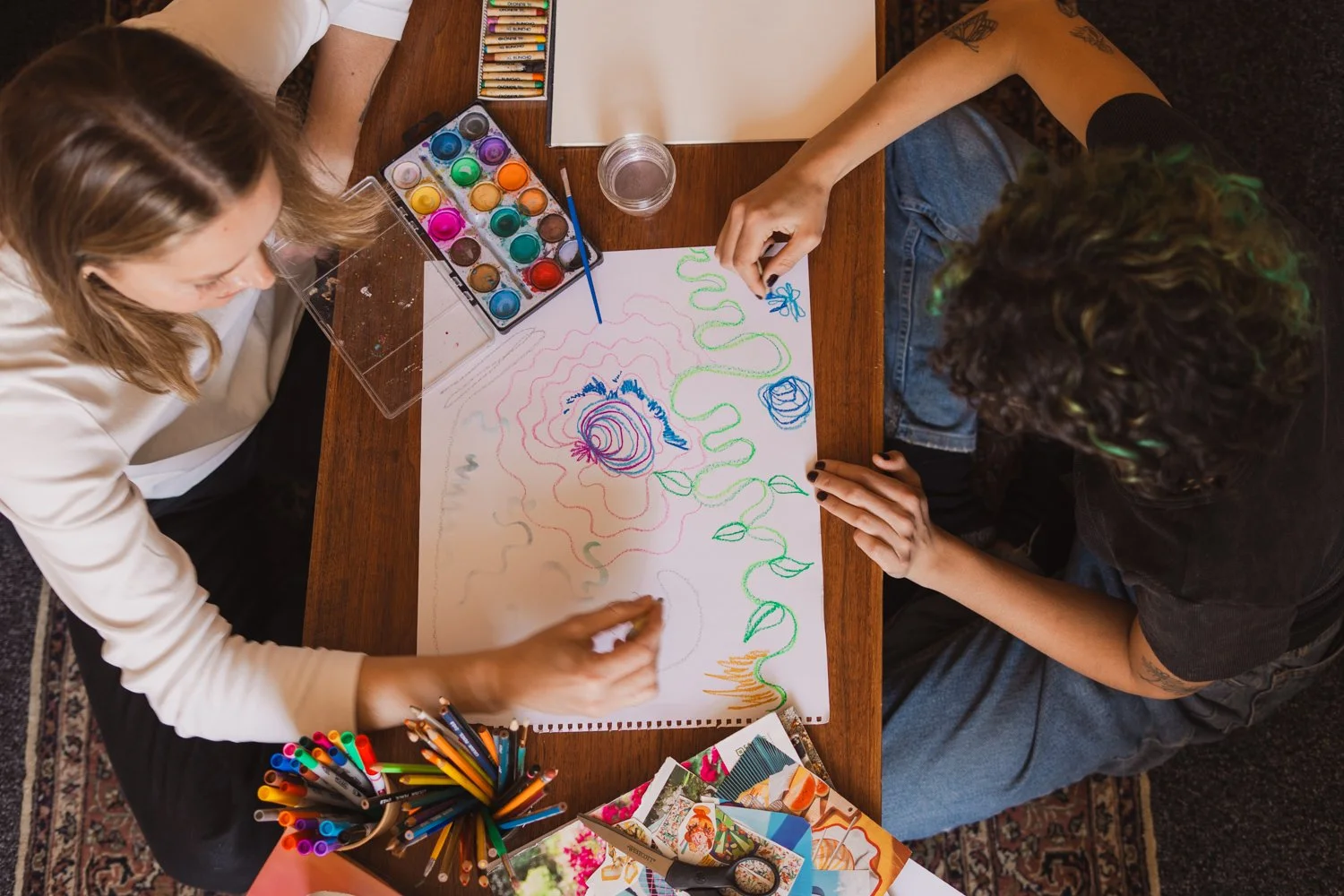
Art therapy uses creative processes as flexible tools for self-expression, emotional regulation, and processing thoughts, feelings, and life experiences. Through making art, many people discover new ways to understand themselves, communicate emotions, and gain insight into patterns that may be difficult to express with words alone. Creative expression can also strengthen communication and relationships, particularly when language feels limited or overwhelming. The creative process helps uncover different parts of ourselves and offers a safe way to share them with others. Over time, creativity can become a reliable resource for navigating stress, life transitions, grief, and personal growth.
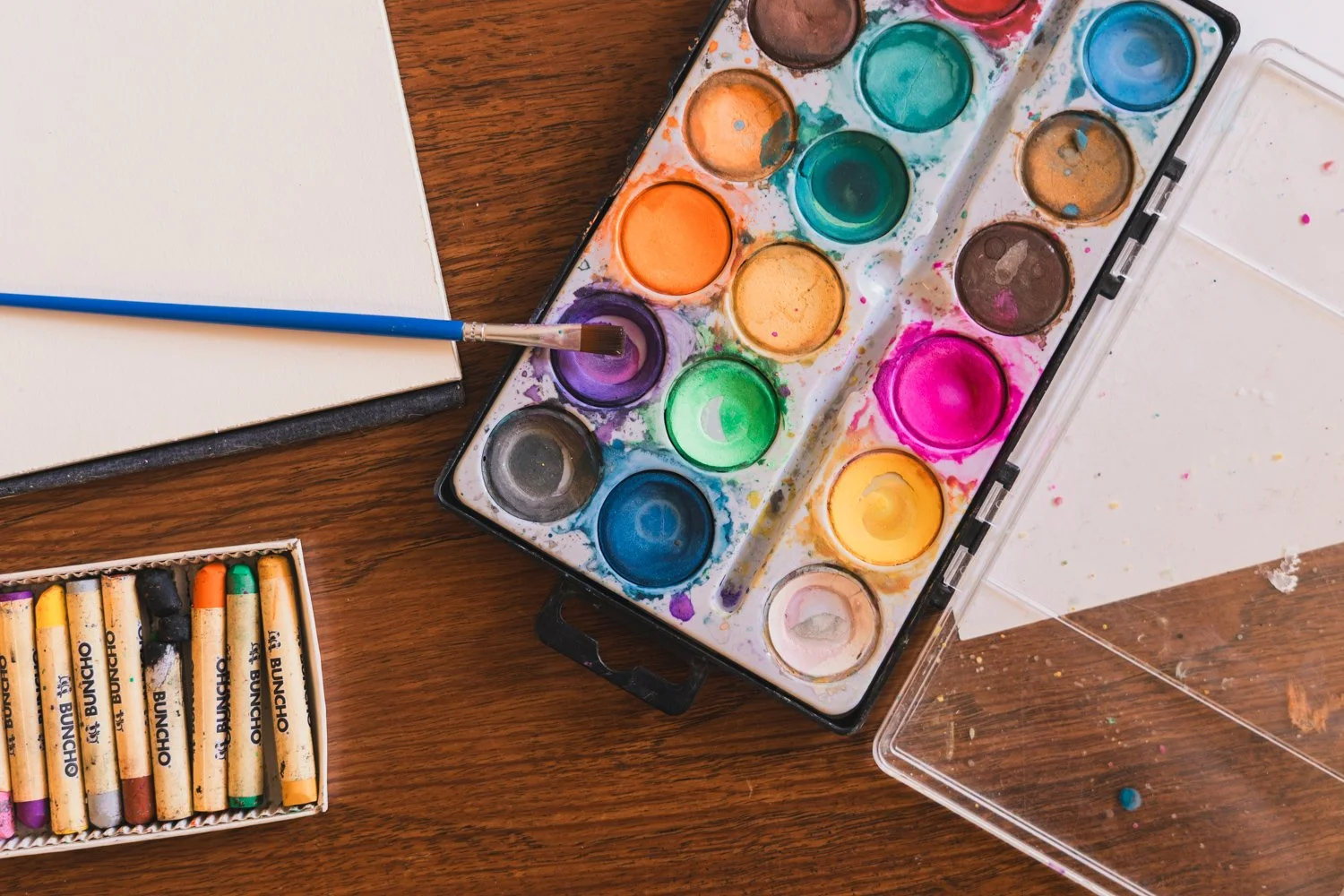
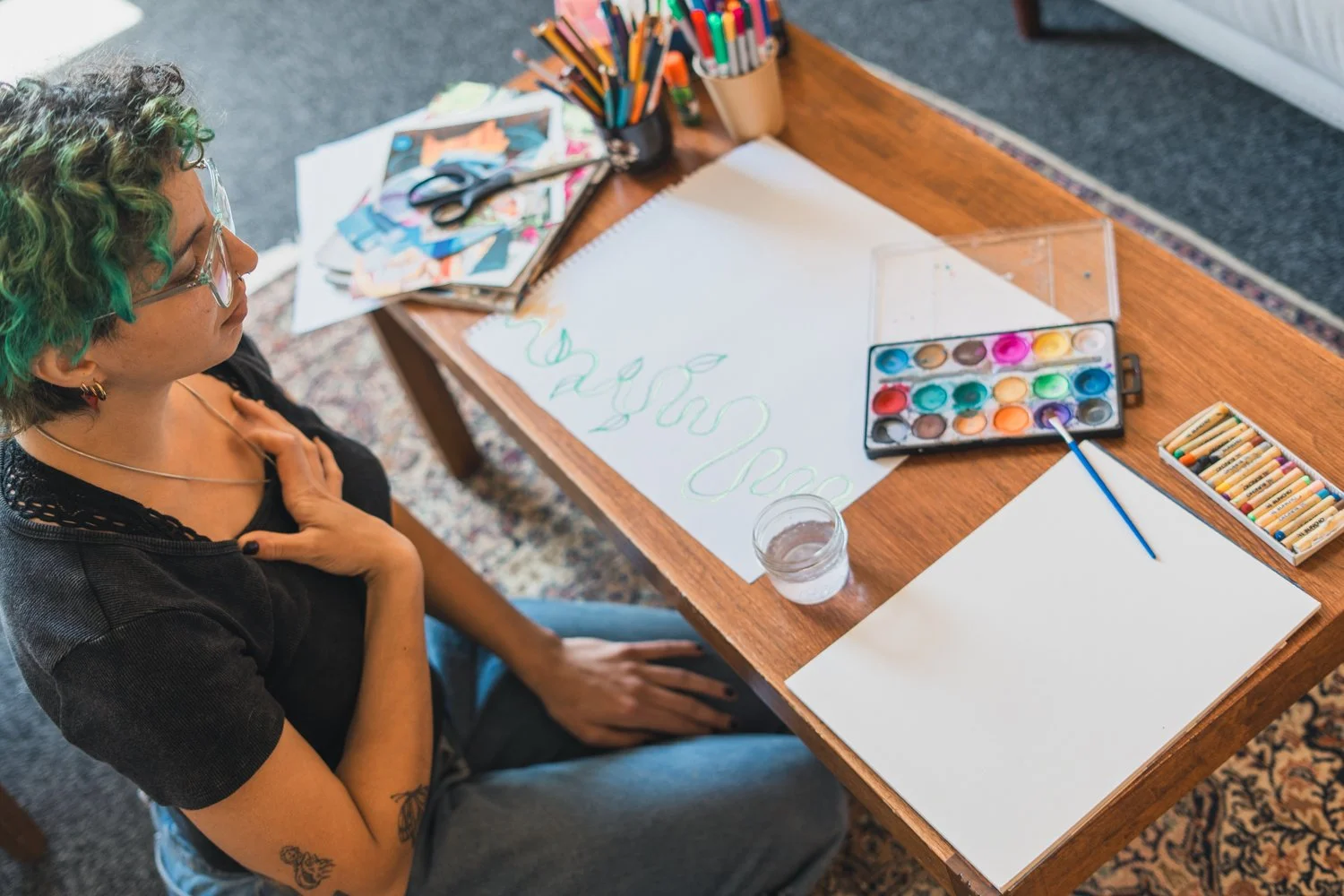
Every session is tailored to the individual. Depending on your interests and goals, art therapy may include visual art, creative writing, music and sound, movement, performance, or other forms of creative expression, allowing you to engage in the process in a way that feels natural and meaningful.
Meet Your Art Therapist
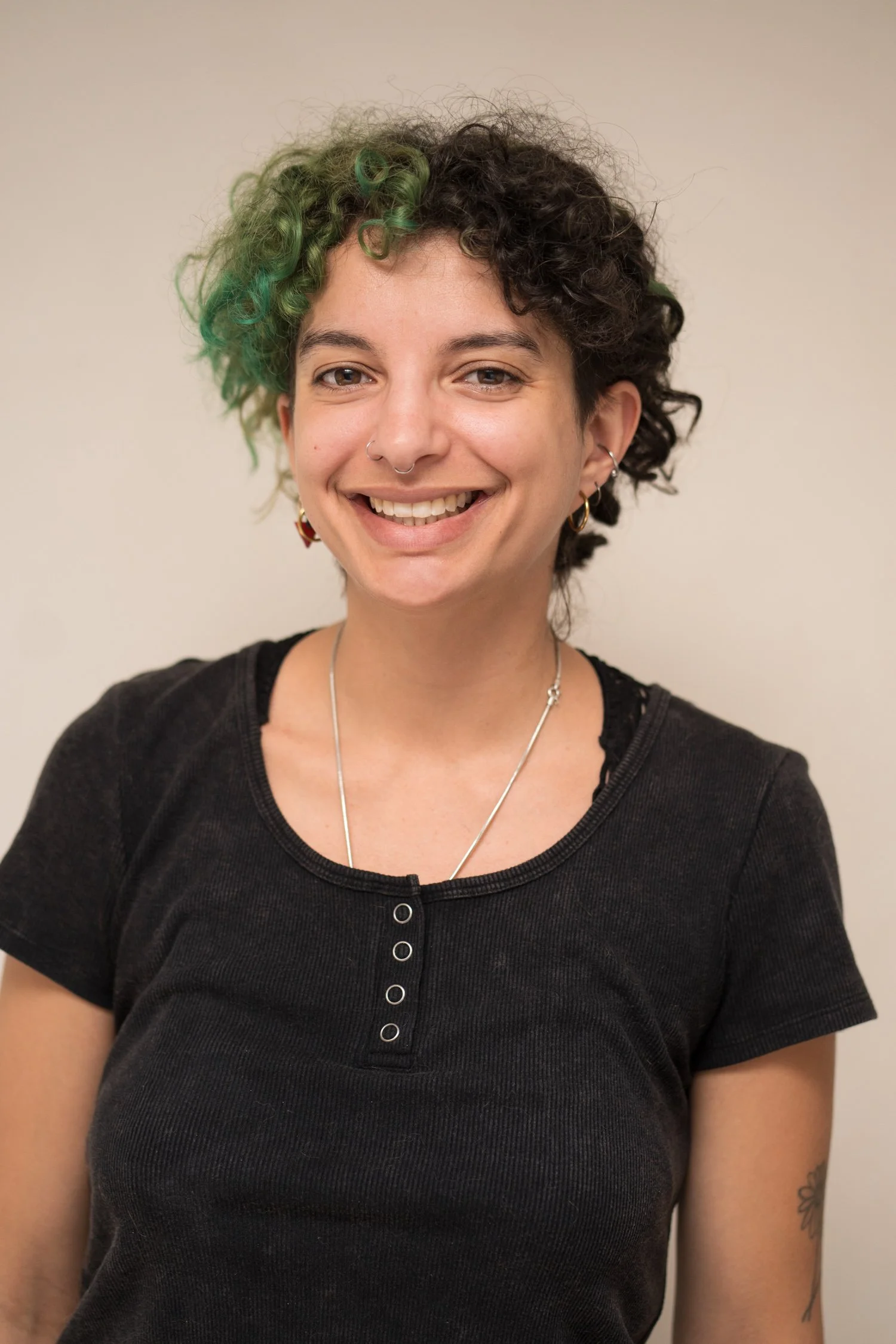
Yasmine El-Hamamsy — Art and talk therapist offering virtual and in-person sessions using a somatic, person-centred approach. Yasmine works with children, youth and young adults, including neurodivergent and LGBTQIA+ clients, supporting emotional expression and self-discovery.
Why Choose Mahaya for Art Therapy
Encouraging Creative Expression
Art therapy uses creative practices to help you explore emotions, process experiences, and express yourself—especially when words feel limited. It supports self-awareness and personal growth in a gentle, accessible way.
Processing Emotions Through Art
Through drawing, writing, or movement, art therapy helps you better understand and release emotions. This creative process can reduce stress, support emotional regulation, and create space for reflection and healing.
Building Connection & Self-Awareness
Art therapy encourages deeper connection with yourself and others by making expression more accessible. It supports communication, insight, and resilience through meaningful creative exploration, no art experience needed.
You Don't Need the Words. Just the Willingness.
Whether you visit us in person in Little Italy or connect virtually from anywhere in Ontario, art therapy offers a safe, supportive space to explore your thoughts and emotions through creativity. No artistic experience is required, and nothing you create is judged or displayed—only used as a tool to support your healing, growth, and self-discovery.